electronics
Potentiometer Calculator
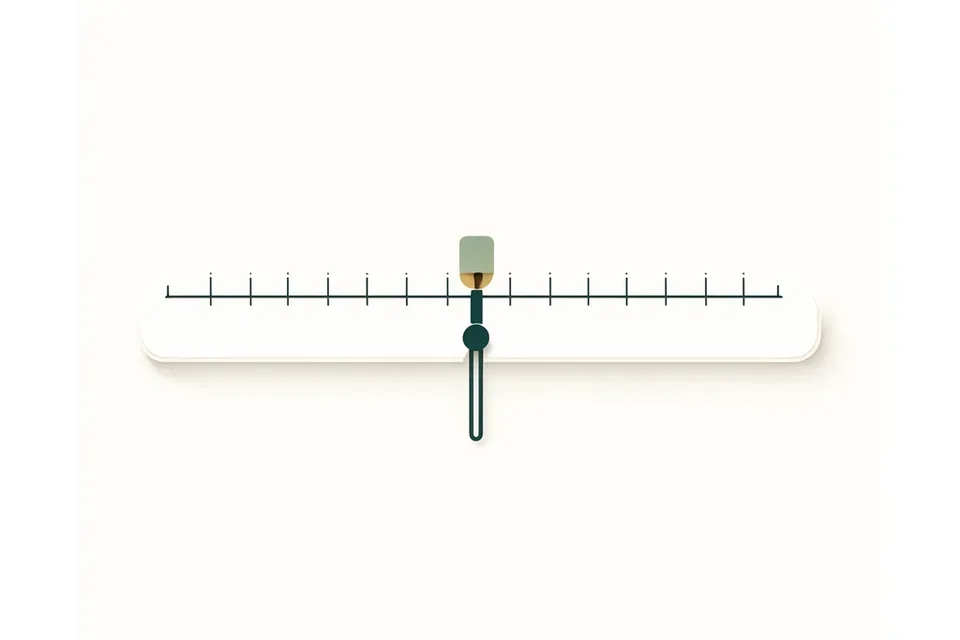
Wire a potentiometer as a voltage divider - pick the taper (B linear, A audio, C reverse audio), the total resistance and the wiper position to get the two section resistances, the output ratio and the voltage across a supply; decode or encode B10K-style marking codes, with an honest note that real pots carry tolerance and wiper resistance.
Potentiometer as a voltage divider
B is linear, A is audio (log), C is reverse audio. The decode mode reads the letter off the marking instead.
e.g. 10k, 10kohm, 1Mohm or 500
e.g. 50 or 50% - 0 % is at ground, 100 % at the supply.
e.g. 5, 3.3V or 5000mV - leave empty for the ratio and section resistances only.
The pot is wired across the supply with the wiper as the output node - an ideal unloaded divider. Ideal unloaded-divider math: wiper contact resistance, a load on the output, taper tolerance (A and C curves are approximations, not exact laws) and end-stop behaviour are not modelled.
- Not a current-capability or power check - verify the pot wattage rating and the load it drives separately.
- Markings are typical, not guaranteed - manufacturers vary; verify against the part datasheet.
Output voltage
Enter the total resistance and wiper position - the section resistances, output ratio and (with a supply) Vout solve live; the taper curve previews below.
Enter the total resistance and wiper position - the section resistances, output ratio and (with a supply) Vout solve live; the taper curve previews below.